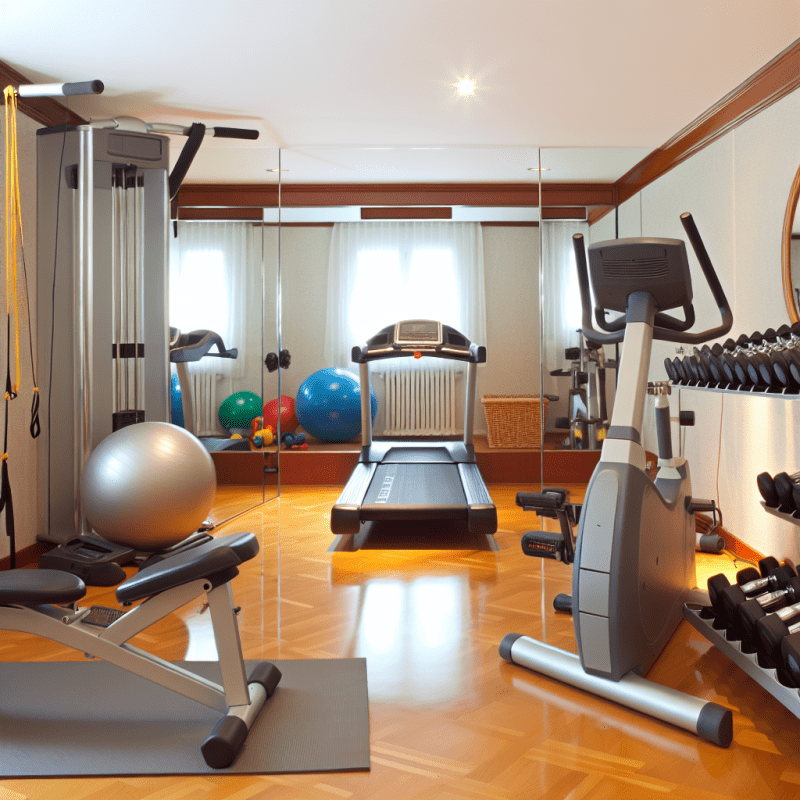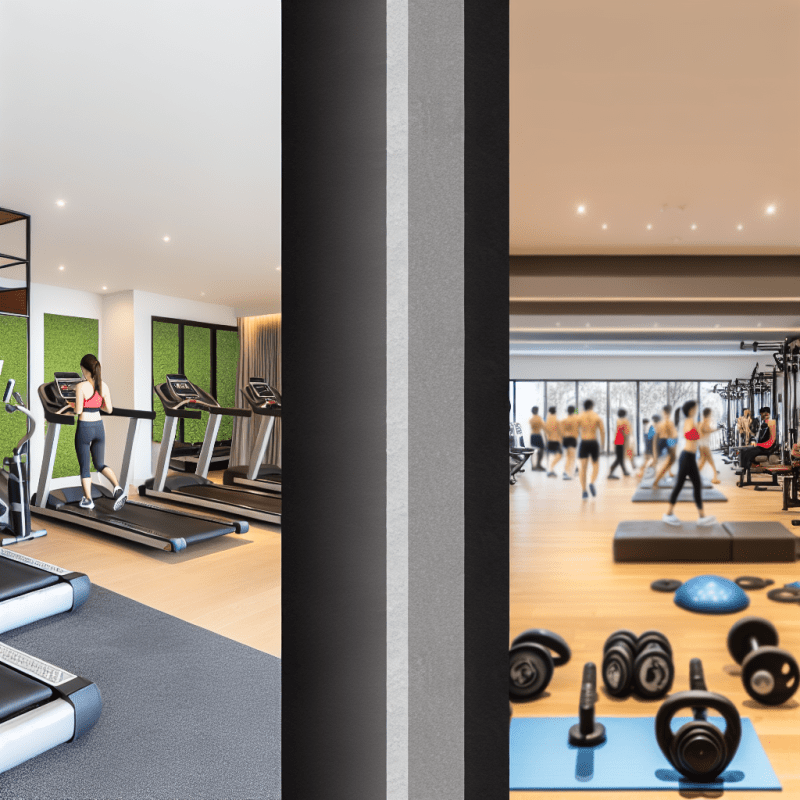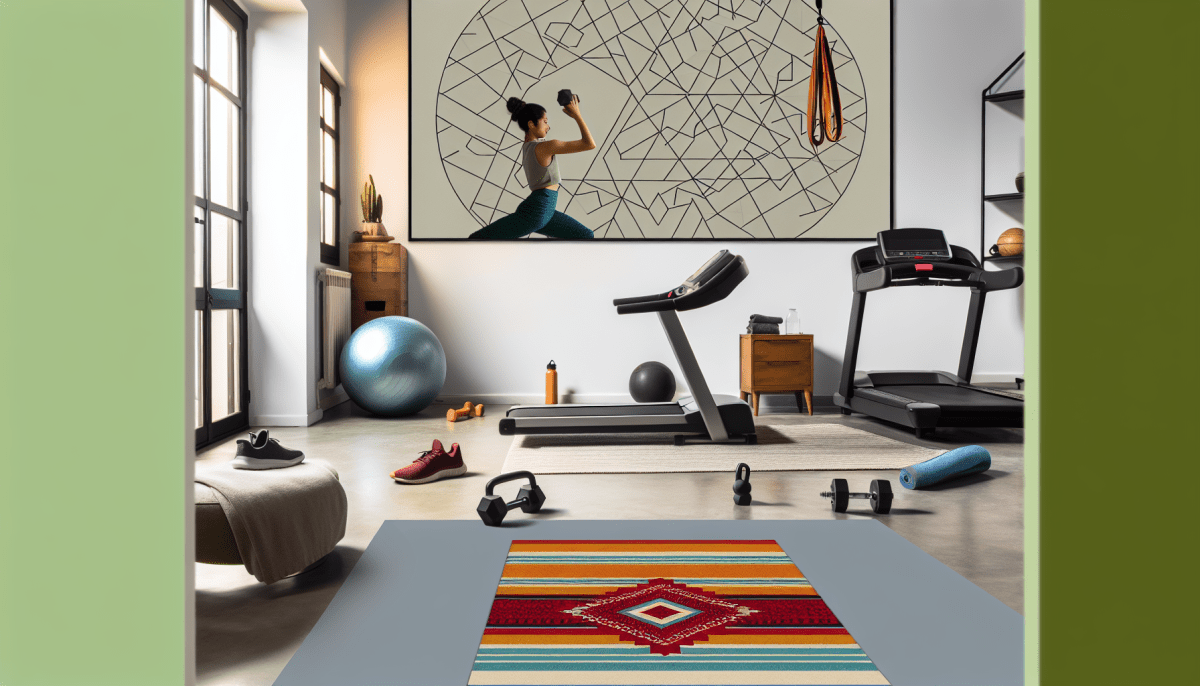
When you’re working out at home, it’s easy to get lost in your routine. But staying aware of your surroundings can save you from a nasty bump or worse. Before you start your workout, take a quick look around your space. Are there any obstacles in your way, like furniture or pets? Clear out any potential hazards so you can focus on your exercises.
Lighting is another big deal. Make sure the area is well-lit, so you can see everything clearly. If you’re using weights or other equipment, poor lighting can lead to accidents. If you need more light, add some lamps or switch on those overheads. Safety first!
Keep your workout area tidy. A cluttered space can lead to slips and trips. Make it a habit to put your gear away after each workout. This not only keeps your space safe but also makes it easier to find what you need for your next session.
Finally, consider wearing the right gear. Non-slip shoes can make a huge difference, especially if you’re lifting weights or doing high-intensity workouts. They help you maintain balance and keep you from sliding around, so you can focus on your form without worrying about your footing.
Use Proper Equipment Techniques
Using the right equipment techniques can really make a difference in your workouts. It’s not just about lifting weights or using machines; it’s about how you do it. Keeping proper form helps prevent injuries and makes your workouts more effective.
Always start by choosing weights that you can handle comfortably. Don’t push yourself into lifting something too heavy right off the bat. You should be able to complete your sets with control. If you can’t maintain good form, it’s time to lighten the load. Your body will thank you in the long run.
When you’re using machines, take a moment to adjust them to fit your body. Each machine is designed with adjustments so that you get the best range of motion for your workouts. If the seat height or grip isn’t right, you’re not getting the full benefit and could risk straining yourself.
Pay attention to your posture. Keep your back straight, shoulders back, and core engaged, no matter what exercise you’re doing. This simple focus can make a big difference. If you’re unsure about your form, consider using a mirror or recording yourself to spot any issues.
Lastly, don’t forget to warm up and cool down. Getting your muscles ready before you dive into your workout is key to preventing strains. Stretching after your workout helps your muscles recover and keeps you flexible. It’s all about keeping your routine safe and effective!
Warm Up and Cool Down Right
Warming up and cooling down are key parts of any workout routine. Think of your muscles like a rubber band. If you stretch them too fast or too far, they might snap! A good warm-up gets your blood flowing and prepares your body for the hard work ahead.
Start with some light cardio for about 5-10 minutes. A brisk walk, jogging in place, or jumping jacks can do the trick. This gentle movement raises your heart rate and gets your muscles ready. After that, include dynamic stretches like arm circles and leg swings. These help loosen up your joints and improve flexibility.
When you're wrapping up your workout, don’t skip the cool-down. It’s just as important as warming up! Spend another 5-10 minutes bringing your heart rate back down. You can walk or do some easy stretches that target the areas you worked. Focus on deep breathing to help your body relax.
Remember, a proper warm-up and cool-down can prevent injuries and help you recover faster. You might not feel like it when you’re eager to jump into the action, but taking these few extra minutes will pay off in the long run. Your body will thank you for it!
Listen to Your Body Always
Listening to your body is one of the best things you can do when working out at home. It's super important to pay attention to how you feel during every exercise. If something doesn’t feel right, it probably isn’t! Don’t push through pain; that’s a quick ticket to an injury.
Start with lighter weights or simpler movements until you get the hang of the routine. If you’re feeling shaky or off-balance, it’s okay to take a break. Remember, it's all about progress, not perfection. You want to build strength over time, not risk a setback because you tried to lift too much too soon.
Hydration and rest are key players in listening to your body. If you’re feeling fatigued or just not up for a workout, give yourself permission to chill. Your body needs time to recover, especially after tough sessions. It's not just about working hard; it’s about working smart!
Keep some simple signs in mind: if you're exhausted, feeling sharp pains, or your heart is racing more than usual, it's time to stop. Stretch it out or cool down with a lighter activity. Always trust your instincts. Workouts should feel good and energizing, not draining or painful.